
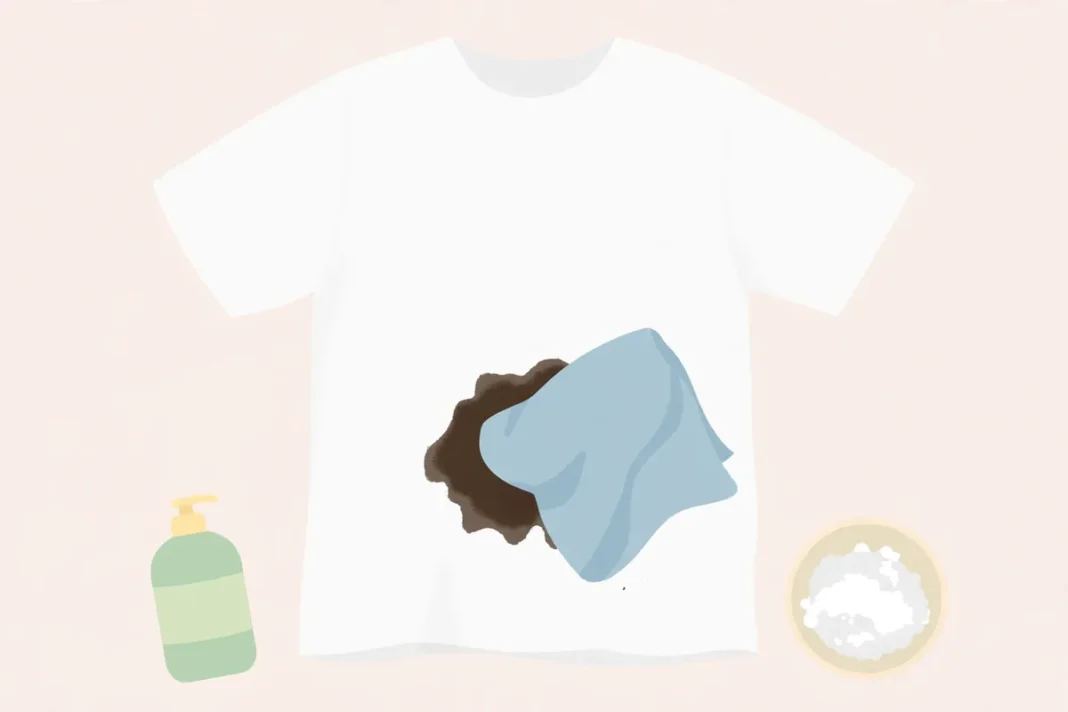
A greasy splash on a favourite shirt feels like a disaster, but most grease stains come out completely if you treat them the right way. Learning how to remove grease stains from clothes is mostly about acting quickly, lifting the oil before it sets, and never letting heat lock it in. Whether the mark came from cooking oil, butter, salad dressing or a takeaway box, the methods below work on cotton, polyester and most everyday fabrics, using things you already have at home.
This guide shows how to remove grease stains from clothes step by step, for fresh marks and dried ones alike. Grease is different from most stains because oil repels water, so a plain rinse rarely helps and a hot tumble dryer can set the mark permanently. Start by blotting, never rubbing, then choose a method below based on whether the stain is fresh or dried. If your stain is plain cooking oil, our companion guide to removing oil stains from clothes covers the Indian kitchen context in more detail.
How to Remove Grease Stains from Clothes: The 7 Methods
1. Blot First, Then Apply Dish Soap
Blot the stain with a clean paper towel or cloth to lift as much surface grease as possible, and never rub, because rubbing pushes oil deeper into the fibres. Apply a few drops of plain dish soap directly onto the stain and work it in with your fingers or a soft toothbrush, then leave it for ten to fifteen minutes so the soap can break the grease down. Dish soap is designed to cut through cooking grease, which is exactly why it works so well on fabric. The American Cleaning Institute’s stain removal guide also recommends treating grease stains promptly before washing. Rinse with warm water and check whether the mark has faded.
2. Use Baking Soda to Absorb the Grease
For a fresh, still-wet grease stain, cover it generously with baking soda and leave it for at least thirty minutes. The fine powder draws oil out of the fabric, and you will often see it clump or darken as it absorbs the grease. Brush the powder off, then apply a little dish soap and wash as normal. Baking soda is cheap, gentle and safe for most fabrics, including coloured cotton, and it also helps with the smell that fried food can leave behind. Repeat the powder step once more if the stain still looks dark after the first round.
3. Rinse with Hot Water — But Check the Label First
Hot water helps dissolve grease, but only use it if the care label allows it, because hot water can shrink wool, damage silk and set some stains on delicate fabrics. Hold the stained area under a hot tap, running the water through the back of the stain so the grease is pushed out rather than deeper in, then apply dish soap and wash in the warmest water the label permits. For cotton and polyester, this simple rinse-and-soap combination removes most fresh cooking-oil marks on the first attempt. Always read the label before turning the tap to hot.
4. Make a Dish Soap and Baking Soda Paste for Set-In Stains
Dried or set-in grease needs a stronger approach, and a paste of equal parts dish soap and baking soda is the most reliable home remedy. Spread the paste thickly over the stain, work it in gently, and leave it for at least an hour, or overnight for a stubborn mark. Wash in warm water with your regular detergent, then inspect the stain in good light before drying. If the mark has already survived a wash and a tumble dry, read our companion guide to removing oil stains after washing and drying. This is where knowing how to remove grease stains from clothes really pays off, because patience beats harsh scrubbing every time.
5. Soak in Warm Water and Laundry Detergent
For a large stain, or a garment with several greasy marks, soak it in a basin of warm water with a generous dose of laundry detergent for thirty minutes to an hour. The detergent surrounds the oil and lifts it away from the fibres, which is why a good soak often succeeds where a quick wash fails. Agitate the water gently every ten minutes, then wash the garment as normal and check the stain before drying. This method works well for aprons, tablecloths and work clothes that pick up grease over a whole day of cooking.
6. Try Cornstarch on Delicate Fabrics
Silk, wool and other delicate fabrics should never be scrubbed or soaked in hot water, so use a dry absorbent instead. Sprinkle cornstarch or talcum powder thickly over the stain, leave it overnight, then brush it away gently with a soft brush. The powder pulls the oil out slowly without water or friction, and you can repeat the step until no more grease transfers to the powder. The same gentle, no-scrub idea helps with other stubborn kitchen stains too — see our guide to removing turmeric stains from clothes for another absorb-first method. If the stain remains, take the garment to a professional cleaner rather than risking the fabric.
7. Wash, Check, and Repeat — Never Tumble-Dry First
Wash the treated garment in the warmest water its care label allows, using your regular detergent, then take it out and inspect the stain in daylight before it goes anywhere near the dryer. Heat sets grease permanently, so if any trace of the stain remains, repeat your chosen method and wash again instead of drying it. Most fresh stains clear on the first wash, and even old ones usually fade after two or three rounds. Once you know how to remove grease stains from clothes the patient way, you will save far more garments than any single quick fix ever could.
For the full picture — the five rules that work on almost any stain, plus guides for all nine common stains — see our complete guide to removing stains from clothes.
Frequently Asked Questions
Does dish soap damage clothes?
No, plain dish soap is safe for most everyday fabrics, including cotton and polyester. Use a clear, dye-free dish soap without added bleach, and test it on a hidden corner first if the garment is coloured or delicate. Avoid using it on silk or wool unless the care label allows hand washing.
What is the fastest way to remove a fresh grease stain?
Blot the stain immediately, cover it with baking soda for fifteen to thirty minutes, brush the powder off, apply a few drops of dish soap, leave it for ten minutes, then wash in warm water. Most fresh cooking-oil stains come out on this first attempt if you act before the oil soaks in.
Can I use hot water on all fabrics?
No. Hot water is fine for cotton and polyester, but it can shrink wool, damage silk and set stains on delicate fabrics. Always check the care label first, and use lukewarm or cold water with a dry absorbent like cornstarch for anything labelled delicate, dry clean only, or hand wash cold.
Will baking soda alone remove an old grease stain?
Baking soda alone is best for fresh stains, where it can absorb the oil before it sets. For an old or dried grease stain, baking soda works better as part of a paste with dish soap, left on for at least an hour, followed by a warm wash — and you may need to repeat the treatment two or three times.