
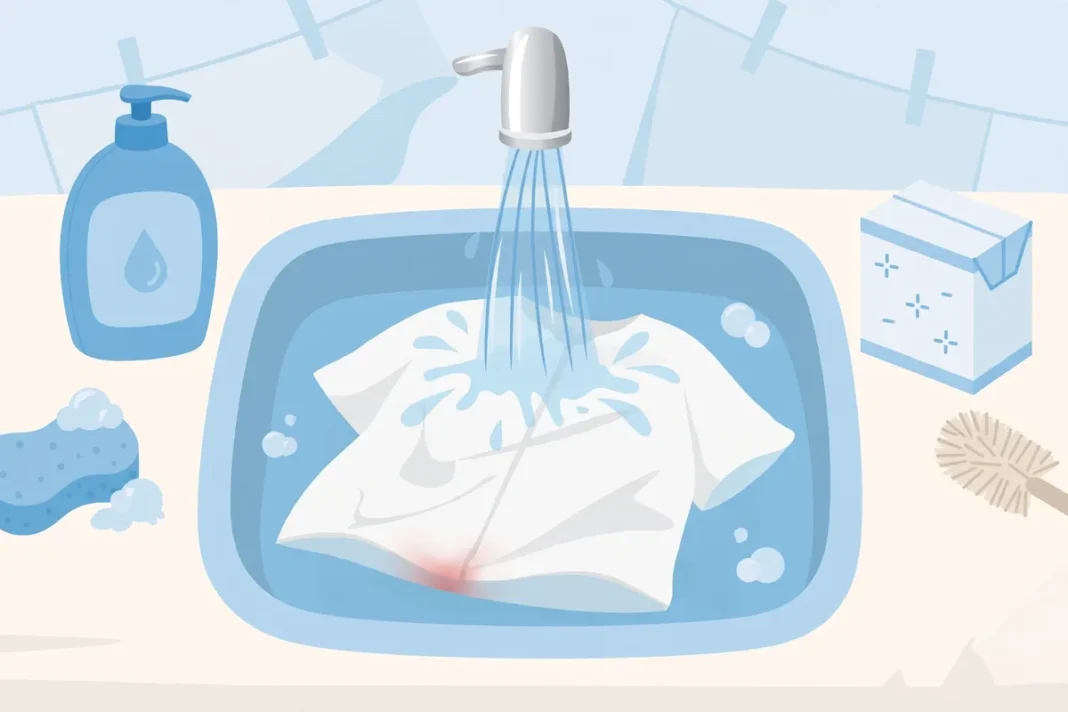
If you have ever watched a small blood stain turn into a permanent brown mark, the culprit was probably hot water. Learning how to remove blood stains from clothes starts with one rule: always use cold water first.
Blood is a protein stain, and heat cooks that protein into the fibres, locking the stain in place. Cold water does the opposite — it loosens the blood so soap, salt or an enzyme cleaner can lift it out. The seven methods below use things most Indian homes already have, and they are organised by stain age and fabric, so you can pick the right one in seconds.
Why Cold Water Comes First
The single biggest mistake with blood stains is reaching for warm or hot water. Hot water sets a protein stain the way heat sets an egg — once it is set, no amount of scrubbing will fully remove it. Always rinse and soak in cold water first, and only use warmer water after the stain is completely gone.
The same rule applies to drying. Never put a stained garment in the dryer, or iron it, until the stain is fully out. Dryer heat bakes the stain in permanently. Check the fabric in good light after washing, and if any shadow of the stain remains, treat it again and rewash.
How to Remove Blood Stains from Clothes: 7 Methods That Work
Start with the gentlest method that fits your stain and fabric, and work your way up only if the stain survives. Always test any treatment on a hidden area first, such as an inside seam, and wait a few minutes to check for colour change.
Method 1: Cold Water Rinse and Salt Soak (Fresh Stains on Cotton)
This is the first thing to try on a fresh stain, and it often works on its own. Hold the stained area under a cold running tap for two to three minutes, rubbing the fabric gently against itself. Then dissolve two tablespoons of salt in a bowl of cold water, soak the garment for 30 minutes, and wash as usual with detergent in cold water.
Salt helps draw the blood out of the fibres, and the cold soak stops the stain from drying in place. This method is safe for most washable cotton clothes, bedsheets and school uniforms.
Method 2: Dish Soap and Cold Water (Fresh Stains on Everyday Clothes)
If the stain is fresh and the cold rinse has not fully cleared it, apply a few drops of plain dish soap directly onto the stain. Gently rub the fabric together for a minute, leave it for 10 minutes, then rinse in cold water. Repeat once if needed, then machine wash in cold water with your regular detergent.
Dish soap is a mild degreaser and surfactant, so it lifts blood well without harming most fabrics. Avoid dish soaps with added bleach or strong colour, and never use hot water at this stage.
Method 3: Hydrogen Peroxide 3% (White Cotton Only)
For white cotton shirts, vests and bedsheets, 3% hydrogen peroxide is one of the most effective blood stain removers. Pour a small amount directly onto the stain, let it fizz for 5 to 10 minutes, blot with a clean cloth, rinse in cold water, and wash as usual.
Use this method only on white, colourfast cotton. Hydrogen peroxide can lighten or bleach coloured fabrics, so never use it on coloured clothes, prints or denim. Buy the standard 3% solution from a chemist — never use stronger industrial grades on clothes.
Method 4: Baking Soda Paste (Dried Stains on Cotton and Denim)
For a stain that has dried, mix two parts baking soda with one part cold water to make a thick paste. Spread it over the stain, leave it for 30 minutes, then rinse in cold water and wash as usual. For stubborn dried stains on denim or heavy cotton, you can leave the paste on for up to an hour.
Baking soda is mildly abrasive and alkaline, which helps break down dried blood without damaging sturdy fabrics. It is a good choice for jeans, cotton trousers and bedsheets — the same gentle approach that works on other coffee stains on clothes is often enough here too.
Method 5: White Vinegar Soak (Dried Stains on Washable Cotton)
Pour plain white vinegar over the dried stain until the fabric is soaked through, and leave it for 20 to 30 minutes. Blot with a clean cloth — you should see the stain transferring onto the cloth — then rinse in cold water and wash as usual with detergent.
Vinegar helps dissolve dried blood, but use it only on washable cotton and linen. Do not use vinegar on silk or wool, and never mix vinegar with bleach. If the stain is old and large, follow the vinegar soak with Method 6 below.
Method 6: Enzyme Detergent Soak (Old or Set-In Stains)
For old stains that have survived a wash or two, an enzyme-based detergent or stain remover is your best option. Dissolve the detergent in a bucket of cold water, soak the garment for 4 to 6 hours (or overnight for a very old stain), then wash in cold water. Enzymes break down the proteins in blood, which is why they work where ordinary soap fails.
Check the label of your detergent — most bio detergents sold in India contain enzymes. Do not use enzyme soaks on silk or wool unless the product label says it is safe for them, as enzymes can damage these protein fibres. The American Cleaning Institute also recommends enzyme presoaks for protein stains such as blood — see their stain removal guide.
Method 7: Gentle Cold-Water Method (Silk and Delicates)
For silk, chiffon or any garment labelled dry-clean only, do not use peroxide, vinegar or enzyme soaks. Instead, blot — never rub — the stain with a cloth dipped in cold water and a drop of mild liquid detergent. Rinse the cloth and repeat until no more colour transfers. Then wash by hand in cold water with a gentle detergent, or take the garment to a dry cleaner and point out the stain.
Delicate fabrics stain easily and damage easily, so patience matters more than strong chemicals. If the garment is expensive or the stain is large, a professional cleaner is the safer choice.
Blood Stains on Denim and Jeans
Denim is sturdy, so it tolerates the stronger methods. Start with a cold rinse and salt soak, then use the baking soda paste from Method 4 if the stain has dried. For dried blood on jeans, a longer cold soak — one to two hours in cold water with enzyme detergent — usually clears it. Wash jeans inside out in cold water, and air-dry them rather than using a dryer until you are sure the stain is gone.
What NOT to Do With Blood Stains
- Do not use hot water. Hot water sets blood stains permanently — always start cold.
- Do not tumble dry before the stain is out. Dryer heat bakes the stain in, just like hot water does.
- Do not use chlorine bleach on coloured clothes. Bleach can permanently discolour or damage fabric, and it can also react with blood to make the stain worse. Use it only on white cotton, and only if the care label allows it.
- Do not rub aggressively. Hard rubbing pushes the stain deeper into the fibres and can damage delicate fabric — blot and soak instead.
- Do not iron a stained garment. Iron heat sets the stain the same way a dryer does.
The same “cold first, check before drying” habit helps with almost every stain. If you deal with drink stains too, our guides to removing ink stains from clothes and removing red wine stains from clothes use the same principle. For a general overview of stain treatment, Tide’s guide to removing blood stains also starts with cold water.
What to Do If the Stain Survived the Dryer
A stain that has been through the dryer is harder, but not always impossible, to remove. Soak the garment overnight in cold water with enzyme detergent, then treat the stain with a baking soda paste for an hour before washing again in cold water. You may need two or three rounds. If the stain does not fade at all after that, it has most likely set permanently, and a professional cleaner is the last option worth trying.